Games
What Is Minecraft? The Game That Has No Rules — And That’s Why It Works
Minecraft has no fixed objectives — and that’s its greatest strength. Explore its gameplay, history, and cultural impact.
Advertisement
Inside Minecraft: How a Game With No Objective Took Over the World
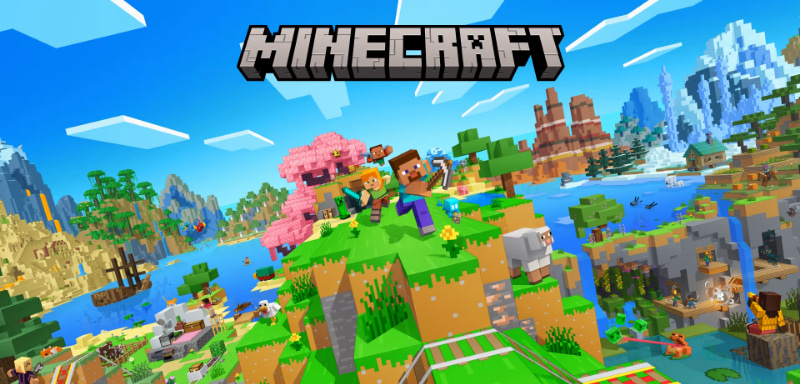
Minecraft is a sandbox video game that allows players to explore, build, survive, and create inside procedurally generated worlds made entirely of blocks.
Unlike traditional games, Minecraft does not impose a fixed storyline or mandatory objectives. Instead, it gives players a set of systems and tools and allows them to decide how they want to play, progress, and express themselves.
This freedom is one of the main reasons why the game has remained popular for more than a decade.
Originally released in 2011, Minecraft has grown far beyond its indie origins.
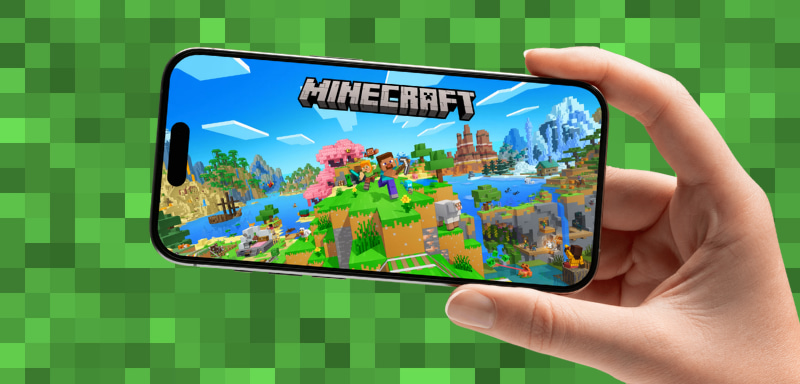
Today, it is the best-selling video game of all time and a global digital platform used for entertainment, education, content creation, and even social interaction. Its simple appearance hides an unusually deep and flexible game design.
Core Gameplay
At its core, Minecraft is built around a simple but extremely powerful gameplay loop.
Players are placed into a vast, randomly generated world and are encouraged to interact with it freely, learning through experimentation rather than tutorials.
This loop supports both casual play and long-term mastery.
- Exploration involves traveling across an almost infinite world made up of different biomes, such as forests, deserts, oceans, caves, and underground structures. Each world is unique, which makes every new playthrough feel fresh and unpredictable.
- Resource gathering is the foundation of progression. Players collect materials like wood, stone, iron, and food, which are necessary to survive, craft tools, and expand their capabilities.
- Crafting allows players to turn raw materials into tools, weapons, armor, and functional blocks. Crafting recipes encourage learning by discovery and reward planning and efficiency.
- Building is where Minecraft truly shines. Players can construct anything from a simple shelter to protect themselves at night to enormous cities, machines, or artistic projects that take hundreds of hours to complete.
- Survival introduces danger and tension. Hostile creatures appear, resources are limited, and players must manage health and hunger, giving meaning to preparation and strategy.
Everything in Minecraft exists as a block that can be placed, removed, or transformed. This block-based structure makes the game easy to understand at first glance while allowing for immense creative and technical depth.
Game Modes
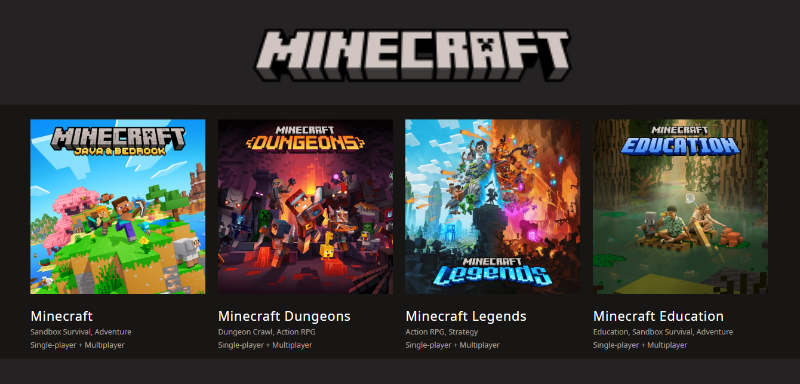
Minecraft offers several game modes designed to support different playstyles. Each mode changes the rules of interaction, difficulty, and player freedom.
Survival Mode
Survival Mode is the default way most players experience Minecraft. In this mode, players begin with no items and must immediately gather resources to stay alive.
Health and hunger systems require constant attention, while hostile mobs such as zombies, skeletons, and creepers create pressure, especially during the night.
Progression comes from improving equipment, exploring dangerous areas, and eventually defeating powerful bosses like the Ender Dragon.
Creative Mode
Creative Mode removes all survival constraints and focuses entirely on creativity and experimentation.
Players have unlimited access to every block and item in the game, can fly freely, and cannot take damage.
This mode is widely used for large-scale building projects, architectural experiments, and testing ideas without limitations.
Hardcore Mode
Hardcore Mode is a more intense version of Survival Mode designed for experienced players.
The difficulty is locked at a high level, and players only have one life. If the player dies, the world is permanently deleted, which adds emotional weight, tension, and a strong sense of risk to every decision.
Multiplayer
Multiplayer allows players to share Minecraft worlds with others, either privately with friends or publicly on large servers.
These servers can host survival worlds, roleplaying communities, mini-games, competitive modes, and custom experiences that feel like entirely different games built inside Minecraft.
Redstone and Systems
Redstone is Minecraft’s in-game logic and power system, functioning similarly to electrical wiring and digital circuits.
Through redstone components such as switches, pistons, and sensors, players can create complex automated systems that go far beyond simple building.
- Automatic farms use redstone mechanics to harvest crops or resources without constant player input, saving time and increasing efficiency.
- Hidden doors and traps allow players to design secret entrances, puzzles, or defensive mechanisms using clever wiring and timing.
- Mechanical systems, such as elevators and transport devices, showcase how movement and automation can be engineered inside the game.
- Advanced machines, including calculators and even simple computers, demonstrate how Minecraft can simulate real-world logic and computation.
These systems transform Minecraft into a digital engineering sandbox, attracting players interested in logic, automation, and problem-solving.
Visual Style and Sound
Minecraft’s visual style is intentionally simple and pixelated, a choice that has become one of its most recognizable features.
Rather than aiming for realism, the game prioritizes clarity, readability, and flexibility, which allows it to run smoothly on many types of hardware and remain visually timeless.
- The minimalist art style ensures strong visual contrast, making gameplay elements easy to understand.
- Extensive customization options, such as texture packs and shaders, allow players to dramatically change the game’s appearance, from realistic lighting to stylized cartoon visuals.
The soundtrack is ambient and subtle, designed to support exploration and reflection rather than constant action.
This calm audio atmosphere creates a strong emotional contrast with moments of danger and excitement.
History and Key Milestones
Minecraft’s development history is a key part of its identity, showing how a small independent project can grow into a global phenomenon.
- 2009 – The first public version of Minecraft is created by Markus Persson, gaining attention for its unusual block-based design.
- 2011 – Minecraft officially launches, quickly building a massive player base across PC platforms.
- 2014 – Mojang, the studio behind Minecraft, is acquired by Microsoft, marking the game’s transition into a major global brand.
- 2016 and beyond – Cross-platform play is introduced, allowing players on different devices to play together.
- 2020s – Minecraft surpasses 300 million copies sold, securing its position as the best-selling game in history.
Throughout these milestones, Minecraft continuously evolved through free updates that expanded its systems, biomes, and possibilities.
How to Start Playing Minecraft
Starting Minecraft is intentionally simple, allowing new players to jump in without extensive preparation. The learning process happens naturally through experimentation and exploration.
- Choose a platform, such as PC, console, or mobile, depending on your preferences and available devices.
- Purchase the game once, as Minecraft does not require a subscription to play.
- Create a new world, selecting basic settings like difficulty and game mode.
- Begin in Survival Mode, which provides the most complete introduction to the game’s systems.
- Collect wood immediately, since it is the foundation for crafting tools.
- Craft basic tools, such as a pickaxe and sword, to improve efficiency and safety.
- Build a shelter before nightfall, protecting yourself from hostile creatures.
From that point onward, progression is entirely player-driven, with no fixed path or required timeline.
Mods and Custom Content
One of Minecraft’s greatest strengths, especially on PC, is its support for mods and community-created content.
Mods allow players to reshape the game according to their interests, extending its lifespan indefinitely.
- Some mods introduce new biomes, dimensions, and creatures, expanding exploration.
- Others focus on technology or magic systems, adding structured progression and complexity.
- Many mods enhance RPG mechanics, such as skills, quests, and character progression.
- Visual mods can completely transform graphics and lighting, changing the game’s mood and realism.
Through mods, Minecraft often becomes less of a single game and more of a platform for countless different experiences.
Famous Minecraft Creators and Players
Minecraft’s cultural reach is closely tied to its content creators, who helped shape how the game is played and perceived by millions of viewers worldwide.
- Dream became widely known for speedruns and challenge-based videos that emphasized tension and creativity.
- Technoblade earned a legendary reputation for PvP skill, humor, and competitive dominance.
- MrBeast Gaming introduced large-scale, high-budget Minecraft challenges to a mainstream audience.
- PewDiePie played a major role in reintroducing Minecraft to a broader adult audience through his long-form survival series.
- HermitCraft creators demonstrated the power of collaborative, long-running survival worlds driven by storytelling and community.
These creators transformed Minecraft into one of the most watched and shared games in internet history.
Why Minecraft Matters
Minecraft is more than a traditional video game because it functions as multiple things at once. It is a creative tool that encourages imagination, a social platform that connects players, an educational resource used in classrooms, and a cultural phenomenon that influenced an entire generation of digital creators.
Its open-ended design empowers players to build stories, systems, and worlds limited only by their imagination, making it one of the most flexible and enduring interactive experiences ever created.
Minecraft is a digital sandbox where creativity, survival, engineering, and storytelling coexist inside an infinite block-based world.
Trending Topics

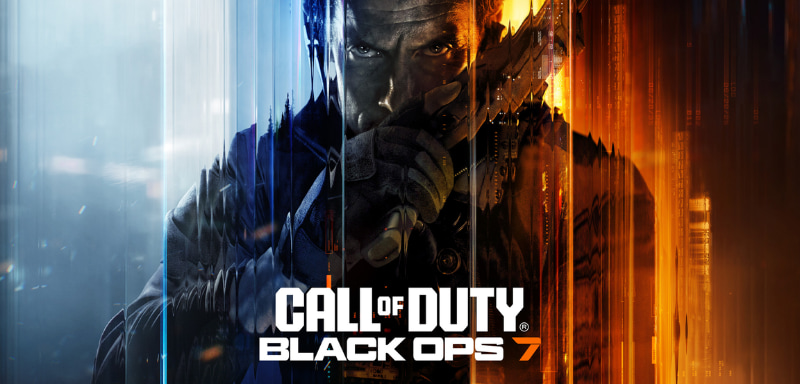
Call of Duty: Black Ops 7 Feels Faster and Smarter
With fast matches and smart design changes, Black Ops 7 keeps the action constant and players fully engaged.
Keep Reading
Bible-Reading Apps That Help You Read Scripture Daily
How to pick a Bible app, use reading plans well, and make five minutes of Scripture a sustainable daily practice.
Keep ReadingYou may also like
How to Get Free Fire Diamonds for Free: Legit, Safe, and Fast Methods
Earn Free Fire diamonds fast and safely! Explore redeem codes, reward apps, and smart tricks to get more diamonds without top-up.
Keep Reading