Jeux
Inside Resident Evil: Requiem’s Cinematic Horror Experience
Resident Evil: Requiem redefines the horror genre with adaptive AI, cinematic storytelling, and evolved gameplay mechanics. Delve into immersive environments and suspenseful design for a unique survival experience.
Publicité
Why Resident Evil: Requiem Feels Like a New Era for the Franchise
Few games capture the feeling of creeping dread like a strong horror experience, and Resident Evil: Requiem draws you into suspense within its first minutes.
Stepping into a world layered with fear, you quickly see how tension and uncertainty dominate every interaction.
Through atmospheric design, character-driven moments, and an evolving threat model, Resident Evil: Requiem brings its genre to new heights.

Horror fans and gamers alike have come to expect more than jump scares; modern players want narrative depth, advanced controls, and cinematic immersion.
Resident Evil: Requiem delivers these, blending gameplay sophistication with the visual storytelling of modern AAA studios. Whether you’re a longtime series follower or new to survival horror, you’ll notice how tradition and innovation mix here.
This article explores every angle: the new mechanics, how cinematic narrative keeps tension high, and ways that Resident Evil: Requiem refines survival horror.
Discover movement tips, atmospheric tricks, and expert insights. If you want to conquer dread and master suspense, keep reading for detailed strategies and analysis.
Atmosphere and Design Choices Amplify Fear While Guiding Players
Resident Evil: Requiem introduces architectural design and lighting schemes that shape dread across every level. Players feel control slipping away, as familiar settings transform with ominous cues and biomechanical visuals that evolve during each chapter.
The evolving terror comes from environmental storytelling. Textures, flickering lights, and chilling soundscapes warn of danger, foreshadowing threats before they appear on screen. Interpreting these cues can shift the odds in your favor.
Dynamic Lighting and Spatial Awareness Keep Players on Edge
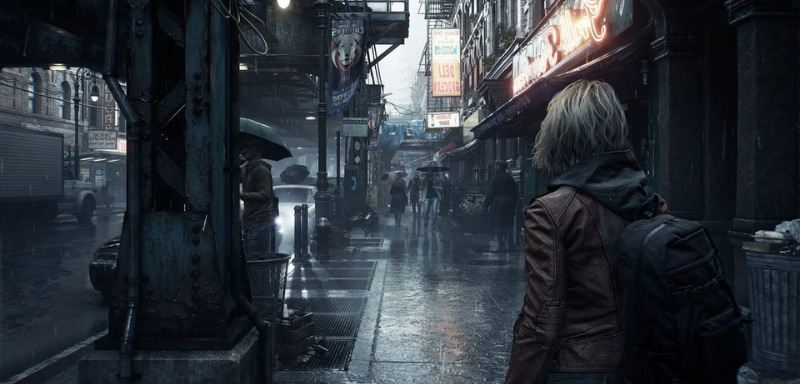
Corridors flicker between pitch black and sudden illumination. This shifting lighting builds a sense of apprehension, so every time you enter a shadow, your mind prepares for the unknown. It mirrors the unpredictability of old haunted houses, turning every approach into an exercise in courage and caution.
Think of wandering your own house during a blackout, armed with only a flashlight. In Resident Evil: Requiem, dying bulbs and hidden passageways echo this fear, compelling you to move slowly and check every corner before proceeding.
When players misuse their limited light sources, they risk walking into enemy ambushes or missing vital resources. Effective players rotate light sources and track flickering doors—these are signs of scripted events or hidden secrets worth investigating.
Sound Engineering Dictates Emotional Pacing and Player Reactions
Sound design shapes the way tension ebbs and flows. Computer-generated noises replicate distant footsteps, groans, or whispered clues, adding realism and unpredictability.
Quick, shallow breathing or a door’s subtle creak signals enemy activity near your location. Headphones amplify these atmospheric effects.
By tuning in to subtle differences between left and right audio, you get the sensory advantage of detecting movement direction—allowing you to prepare defensive actions or plan safe routes around danger.
If you ignore environmental sounds or play at low volume, you’ll miss important narrative hints and warning signs before major set pieces.
Treat ambient audio as a guide—follow whispers or escalating music cues to avoid panic and maintain control.
| Atmospheric Element | Player Impact | Optimal Player Response | Takeaway |
|---|---|---|---|
| Dynamic Lighting | Raises tension, limits vision | Move with caution, use flashlights | Expect shifted enemy patterns in darkness |
| Spatial Audio | Aids enemy detection, heightens fear | Always wear headphones, listen carefully | Gain narrative clues and anticipate threats |
| Unpredictable Enemy Placement | Increases stress, encourages exploration | Scout rooms, retreat if overwhelmed | Never assume a space is safe |
| Environmental Storytelling | Foreshadows danger, enriches lore | Read notes, observe surroundings | Spot safe zones and hidden traps |
| Cinematic Cutscenes | Delivers key plot points | Pay attention for gameplay hints | Find clues for progression and puzzles |
The New Gameplay Mechanics Put Tension and Player Agency in Focus
Resident Evil: Requiem evolves classic survival mechanics with adaptive enemy AI, shifting item scarcity, and nuanced movement options.
Tactical choices matter more, as moment-to-moment gameplay pivots on resource decisions and real-time risk evaluation.
This system rewards players who experiment, adapt, and learn enemy patterns.
New controls—like crouch, lean, and context-sensitive actions—provide depth during encounters, giving skilled players fresh ways to outmaneuver threats and conserve health.
Combat Evolves with Smarter Enemies
Enemies act unpredictably, learning from repeated tactics. Charging in will quickly drain your supplies. Instead, monitor movement patterns and wait for openings before striking.
Don’t linger after a kill—backup foes may be drawn by noise.
- Survey each room before moving, evaluating enemy positions to plan a stealth approach and reduce unnecessary confrontations. This reduces ammo usage and limits resource depletion.
- Prioritize key targets—fast, aggressive mutants or stealthy adversaries. Removing larger threats early keeps ambush potential low and creates escape routes for later retrievals.
- Practice resource triage by saving medical items and rare ammunition for boss battles and unavoidable enemy swarms. This ensures you remain viable during story-heavy sequences.
- Utilize environmental hazards for indirect kills—shoot explosive barrels near clusters, or use loose furniture as barricades for quick escapes in tight rooms.
- Fall back to choke points and listen for audio cues signaling reinforcements, enabling you to halt enemy waves while minimizing health loss and time spent exposed.
Embracing these tactical moves sets up stronger survivability, allowing newcomers and veterans to bypass brute force in favor of clever adaptation within Resident Evil: Requiem.
Inventory and Crafting Blend Survival with Flexibility
Managing gear is a strategic minigame. Resident Evil: Requiem’s crafting—inspired by earlier franchise entries—offers on-the-fly item creation from found objects, letting you tailor solutions for immediate threats.
- Combine herbs and chem fluids to create restorative sprays, balancing healing upgrades against firepower improvements as situations grow dire and resources dwindle deeper in each chapter.
- Upgrade weapon attachments—sights, suppressors, extended magazines—using components scavenged or traded, securing firepower advantages for later, tougher segments.
- Save crafting resources until after a thorough environmental sweep; hidden corners and destructible crates may yield high-value items best discovered before committing to upgrades.
- Tag inventory slots for quick use: hotkey high-damage items (shotguns or bombs) and position essentials like first aid and flashlights together, minimizing panic during surprise attacks.
- Monitor encumbrance—carry only vital gear. Dropping excess can boost movement speed, especially useful in urban levels where outrunning large mutant groups may be your only escape.
These steps keep your options open and your loadout balanced for any sudden change in threat level, giving you a secure advantage in Resident Evil: Requiem’s dynamic world.
Cinematic Presentation Deepens Narrative and Player Emotional Investment
Resident Evil: Requiem delivers story through scripted set pieces, cinematic transitions, and believable character development. This keeps tension high, tying gameplay actions to meaningful consequences, and making every decision feel crucial to survival.
The seamless blend of real-time gameplay and high-quality cutscenes ensures no immersion is lost during pivotal story beats. Moments of calm are rare, and dialogue choices can affect character relationships and story outcome.
Branching Dialogue and Consequence Drive Replayability
New conversation paths let you shape your protagonist’s relationships. Choose brusque remarks or empathetic responses for different outcomes. For example, trusting an NPC with a weapon may create future allies, while dismissing them triggers betrayal events.
Each choice has visible impact: allies may cover your escape or leave you to fend alone. These outcomes create replay value as you experiment with dialogue branches and witness different fates—matching your morals with tactical needs.
Players see facial animations sync with voice acting, heightening emotional stakes. This cues you to pick up on subtle shifts: a partner’s nervous glance or clipped tone can warn of oncoming danger or changing loyalties.
Scripted Events Build Sustained Dread and Advance Plot

Resident Evil: Requiem intersperses real-time action with carefully paced set pieces.
Characters interact with environments—boarding windows, activating alarms, or hoisting obstacles—without jarring camera cuts. This technique raises tension without distracting from gameplay flow.
Timing is key. When music fades and the camera tightens on a protagonist’s face, brace for a major encounter or revelation.
These visual and audio cues foreshadow dramatic moments ahead, maximizing suspense and emotional investment.
The narrative gives weight to player mistakes—wasting resources or skipping side objectives can prompt a grimmer ending, teaching the player to be methodical.
Consequences are not just immediate; they ripple through the evolving story structure.
Advanced Enemy AI and Level Design Force Strategic Adaptation
Resident Evil: Requiem upgrades antagonists with territory awareness and dynamic aggression states. Levels are built with multiple approach routes, turning basic exploration into calculated risk, demanding new strategies with every replay.
Patrol patterns change when you revisit areas, and mutant behavior shifts according to sound, light exposure, and player inventory. This makes backtracking unpredictable and ensures that the familiar rarely feels safe.
Enemy AI Adjusts to Player Tactics and Escalates Stakes
No enemy repeats old mistakes. If you rely on traps or predictable movement, they’ll flank or attack from less-guarded angles the next time. Expect withdrawn mutants to group up if isolated too quickly, adjusting aggression levels mid-battle.
Stealth, hesitation, or excessive aggression all trigger different enemy responses. Experiment to find patterns: crouching along walls delays detection, but sprinting signals high threat, causing packs to unite and hunt.
Adapt your play with each new encounter—observe body language for clues. A mutant’s head tilt, agitated stance, or retreat to darkness signals a shift in tactics, letting you predict and counterattack before things spiral out of control.
Branching Levels Reward Exploration and Cautious Engagement
Each map layout features alternate paths—hidden crawlspaces, breakable walls, and vent systems that grant stealthy or aggressive progression. The more you explore in Resident Evil: Requiem, the more options you carve out during crisis moments.
When you return to earlier areas, check if previously blocked paths have opened or if enemy reinforcements have reset ambushes. This practice keeps navigation fresh and heightens suspense with every return visit.
Try exploring deeper corners or seemingly empty spaces. These can hide rare resources or unique lore entries that flesh out the world and provide concrete combat advantages against evolving threats.
Resident Evil: Requiem Sets the Bar for Modern Survival Horror
The combination of adaptive gameplay, layered atmospheric cues, cinematic depth, and dynamic enemy AI defines Resident Evil: Requiem as a landmark in horror gaming. It actively rewards careful exploration, resource management, and adaptable strategies at every turn.
Players find themselves returning for new outcomes, mastering each area’s dangers, and seeking every narrative branch.
This replayability means that every playthrough is unique, and every risk can turn into reward or peril, depending on your decisions.
Resident Evil: Requiem isn’t just another installment; it’s the standard bearer for tension, narrative sophistication, and gameplay evolution.
Anyone seeking chills, challenge, and compelling storytelling will find Resident Evil: Requiem a masterclass in the genre.
Sujets Tendance

Comment faire pour que votre ancien téléphone fonctionne correctement en 2025
Vieux téléphone, nouvelles astuces ! Découvrez des méthodes ingénieuses pour accélérer votre smartphone vieillissant et assurer son bon fonctionnement jusqu'en 2025.
Continuer la Lecture
Les 10 meilleures applications pour nettoyer votre téléphone et libérer de l'espace en 2025
Accélérez votre téléphone en quelques minutes grâce à ces 10 applications de nettoyage performantes pour 2025. Supprimez sans effort le cache, les doublons et les fichiers indésirables cachés.
Continuer la Lecture
Vous aimerez peut-être aussi

Stockage cloud ou stockage local : lequel vous permet réellement d’économiser de l’espace ?
Continuer la Lecture

5G ou Wi-Fi : quand choisir pour une meilleure vitesse et une autonomie accrue ?
Continuer la Lecture

Minecraft, c'est quoi ? Le jeu sans règles — et c'est pour ça qu'il marche.
Minecraft est un jeu de type bac à sable en monde ouvert où les joueurs explorent, survivent et construisent tout ce qu'ils imaginent. Découvrez comment il fonctionne !
Continuer la Lecture


